 Mattresses
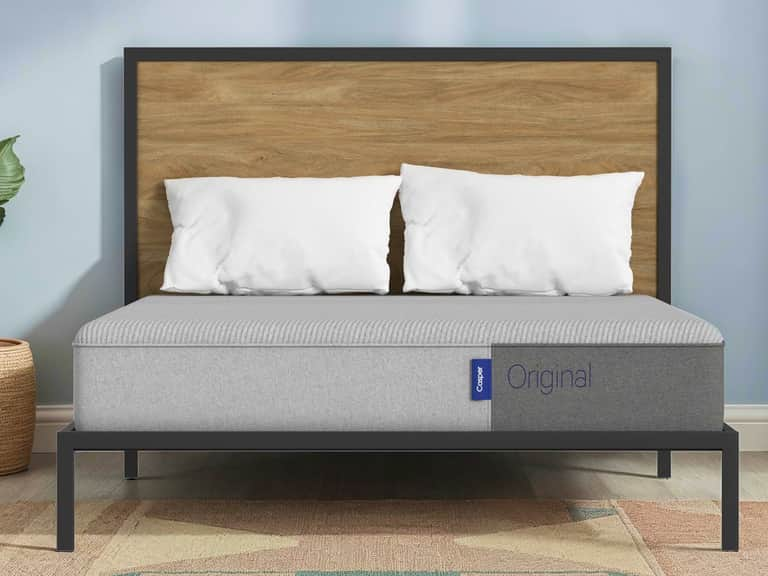
Original Mattress
Enjoy a cooler, more comfortable night as airy foam cushions your body and absorbs pressure. Three ergonomic support zones help keep your spine aligned for restful sleep.
Foam mattresses use resilient foam layers to cushion the body and support a comfortable sleep surface. Their construction can help distribute pressure across contact points and limit the transfer of movement between sleeping partners. Understanding foam density, firmness, and layer design helps explain how different models may suit varied sleep preferences.
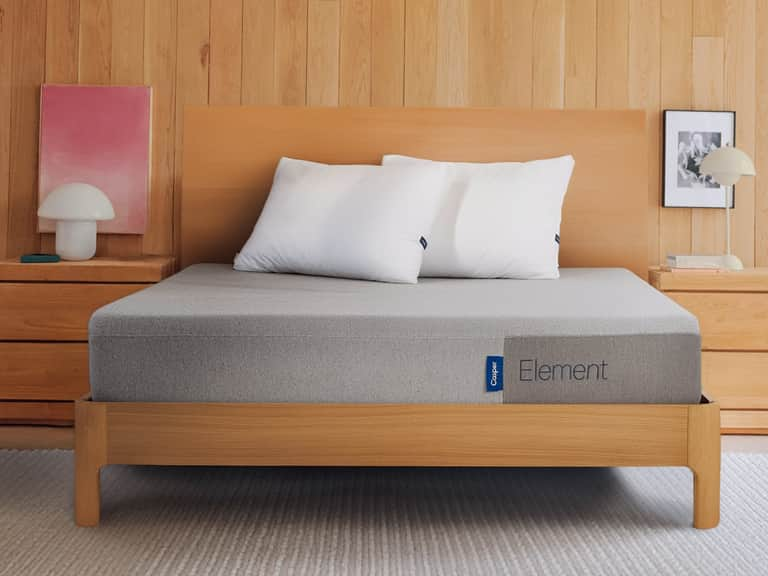
The Element Mattress is a foam mattress within this category. Its name identifies a specific product, while details such as firmness, foam type, thickness, and cooling features depend on its individual specifications. These characteristics influence how a mattress feels, responds to body weight, and supports different sleeping positions.
Foam mattress performance is shaped by materials and construction. Memory foam, when present, typically conforms gradually to the body, while other foam layers may provide cushioning or a more responsive base. These features can be considered alongside temperature comfort, edge stability, and ease of movement when assessing bedding needs.
A mattress works as part of a broader sleep setup. Sheets should fit the mattress dimensions and depth, while pillows—including memory foam pillows—can complement neck and head positioning. Layer choices and personal comfort preferences matter, so bedding components are best considered together rather than as isolated products.
Material preferences may also include organic mattresses, which are generally associated with specified natural or certified components; actual materials vary by product. Reviewing verified construction and care information helps clarify suitability, maintenance, and material sensitivities. Comparing these details with foam mattress features can support an informed understanding of available sleep surfaces.
Mattresses
 Mattresses