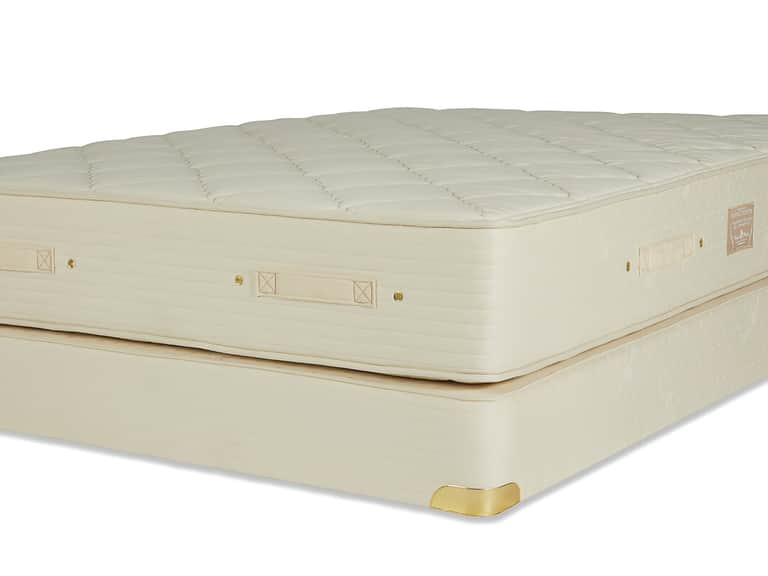
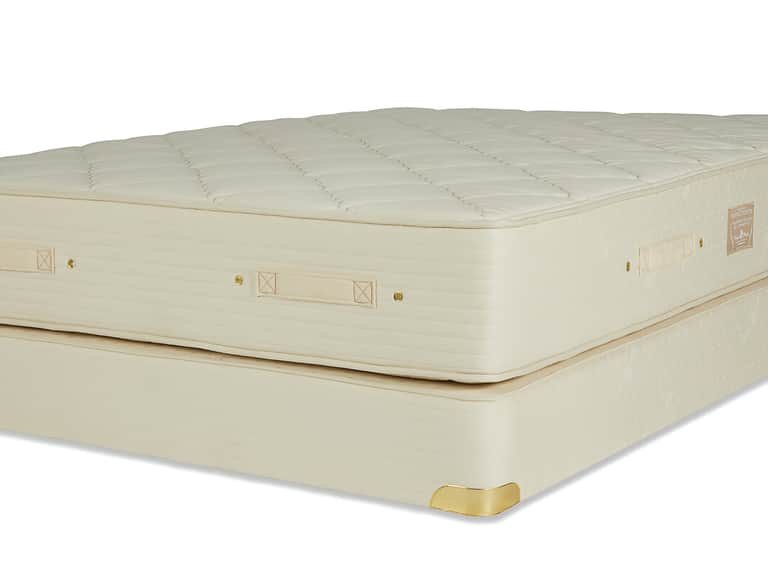
Natural latex mattresses combine resilient support with a responsive surface that adjusts to the body’s shape. Latex is known for its buoyant feel and ability to recover after pressure is released, distinguishing it from slower-conforming memory foam. In bedding, mattress construction, comfort layers, and ticking all influence how a sleep surface feels and performs.
The Royal-Pedic Natural Latex Quilt-Top Mattress with canvas ticking pairs a quilted top with durable canvas fabric on the exterior. Its latex construction provides springy support, while the canvas ticking serves as a protective mattress cover. These features help describe both the mattress’s surface feel and the materials used in its overall construction.
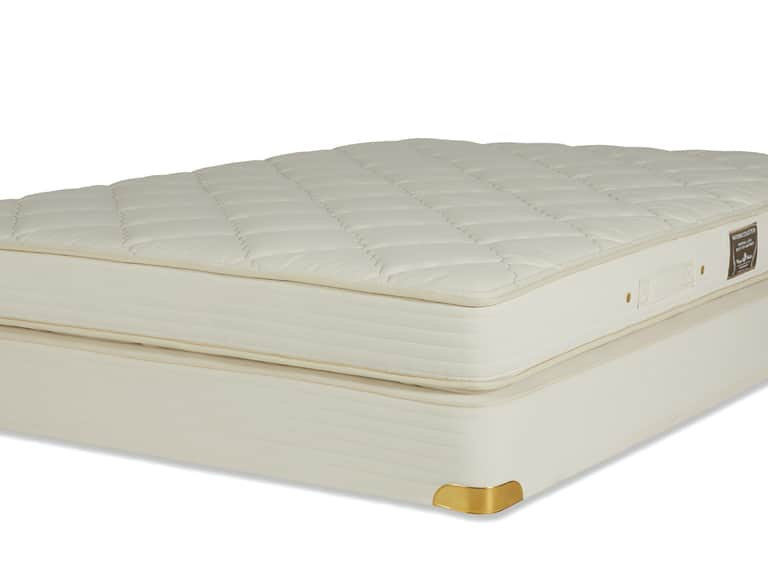
The Royal-Pedic Premier Natural Latex Quilt-top Mattress is another quilted latex design in this category. A quilt-top surface adds a padded layer above the mattress core, creating a distinct feel at the sleep surface. Natural latex contributes responsive support, making construction details relevant when comparing organic mattresses and other latex-based bedding options.
The Royal-Pedic Natural Latex Quilt-top Mattress with German Stretch Knit ticking features a flexible knit exterior paired with a quilted latex surface. Stretch-knit ticking can move with the comfort layers beneath it, while the latex provides resilient support. Comparing this model with canvas-ticking versions helps clarify how cover materials may affect surface flexibility and feel.
When evaluating natural latex mattresses, consider mattress height, quilting, ticking, and the balance of cushioning and support that suits individual sleep preferences. Coordinated bedding, including sheets and pillows, can also affect comfort and fit. Memory foam pillows offer a different contouring feel, so understanding material characteristics helps guide comparisons across sleep products.
 Mattresses